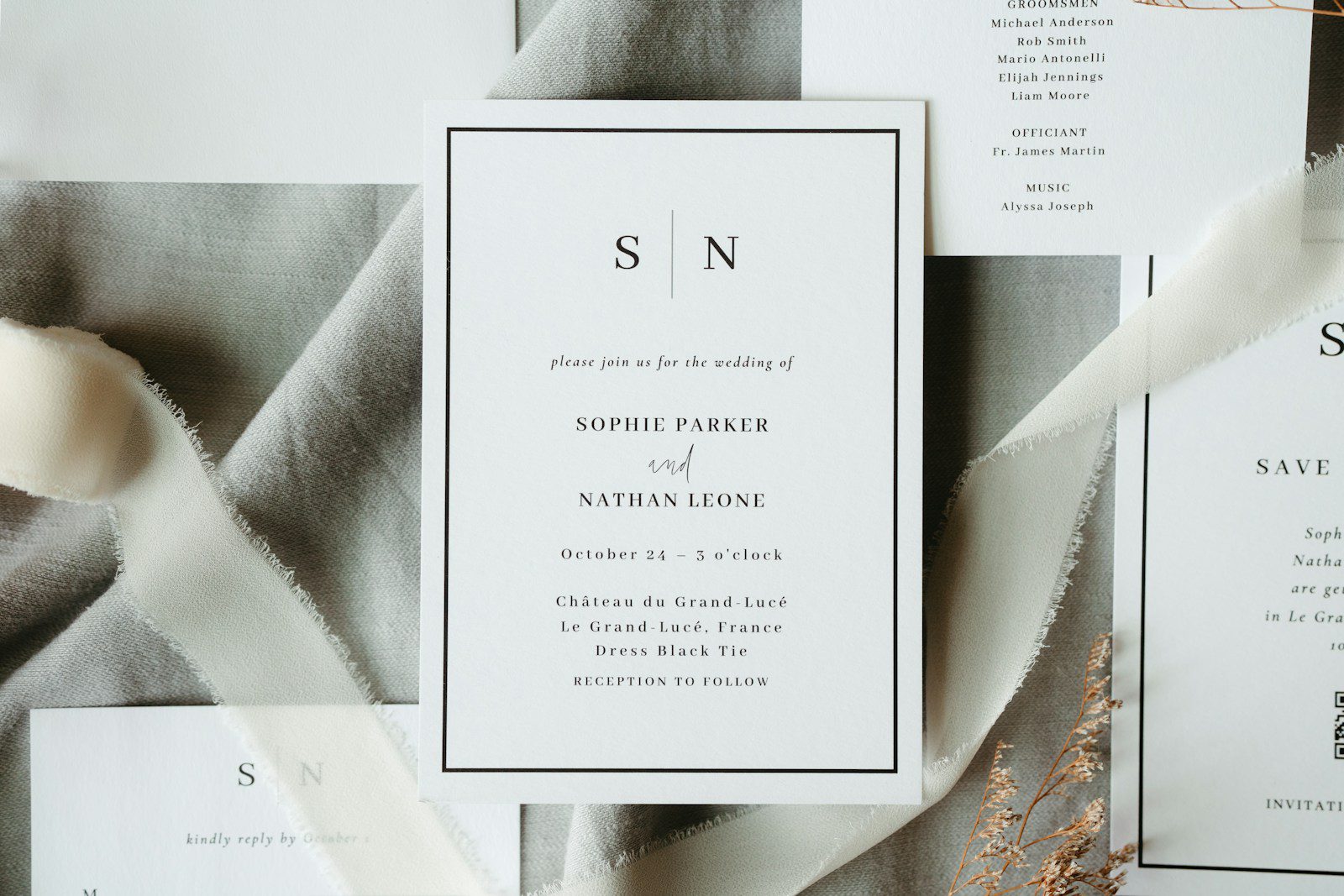
Digital RSVPs: Tacky or Eco-Conscious? The 2026 Truth About Paperless Wedding Invitations
Last Updated: January 2026
You’ve just received a beautiful wedding invitation in your email inbox. The design is stunning, the details are clear, and there’s a convenient “RSVP” button right there. But something nags at you: Is this… cheap?
Here’s the truth that might surprise you: In 2026, paper wedding invitations are fading fast—and digital invites are no longer considered “cheap.” They’ve become the eco-standard.
The wedding industry has undergone a seismic shift in the past five years. What was once whispered about as “budget-friendly” (read: tacky) has transformed into the sophisticated, environmentally conscious choice that modern couples embrace. Let’s decode what’s really happening with digital wedding invitations and RSVPs in 2026.
The Great Paper Fade: Why Traditional Invites Are Disappearing
The numbers tell a compelling story. According to wedding industry data from 2026, over 60% of couples now opt for digital-first invitation strategies. This isn’t about cutting corners—it’s about values alignment.
The Environmental Case Is Undeniable
Consider what a traditional paper invitation suite involves:
For 150 guests:
- 150 save-the-dates (printed and mailed)
- 150 formal invitations (often multi-piece suites)
- 150 RSVP cards with return envelopes
- 150 thank you cards post-wedding
- Total: 900 pieces of paper, plus 300+ envelopes
Add in:
- Ink and printing chemicals
- Transportation emissions for mail delivery
- Processing at multiple postal facilities
- Packaging materials for protection
One couple’s traditional invitation suite creates approximately 15-20 pounds of paper waste and generates roughly 30-40 pounds of CO2 emissions through production and delivery.
Gen Z and Millennials Are Leading the Change
Today’s marrying couples—primarily Millennials and Gen Z—have grown up with climate awareness baked into their worldview. For them, choosing paper invitations when digital alternatives exist feels less like tradition and more like unnecessary environmental impact.
A 2025 survey of engaged couples found:
- 68% of Gen Z couples prioritize sustainability in wedding planning
- 61% of Millennials actively seek eco-conscious wedding options
- 78% believe their wedding choices should reflect their values
Digital invitations perfectly align with these priorities.
The Etiquette Evolution: What Changed?
Ten years ago, wedding etiquette experts universally recommended paper invitations for formal weddings. Digital was relegated to casual celebrations or last-minute gatherings.
That guidance is now outdated.
What Modern Etiquette Actually Says
Current wedding etiquette in 2026 recognizes digital invitations as fully acceptable for weddings of any formality level—with one caveat: execution matters.
Digital invitations are appropriate when:
- They’re thoughtfully designed and personalized
- They include all essential information
- They’re sent through reputable platforms
- They reflect the wedding’s tone and formality
Digital invitations feel inappropriate when:
- They’re clearly template-based with minimal customization
- They lack essential details
- They’re sent via casual group text or Facebook event
- The design doesn’t match the event’s formality
The key insight: Digital invitations aren’t inherently informal. Poor execution is informal.
A beautifully designed digital invitation with custom illustrations, elegant typography, and personalized details reads far more formal than a generic paper card from a box store.
The Digital Advantage: Why Couples Actually Prefer It
Beyond environmental benefits, digital invitations solve practical problems that paper never could.
Real-Time RSVP Tracking
This is the feature couples rave about most. Digital RSVP systems provide:
Instant visibility:
- See responses as they arrive in real-time
- Track exactly who has and hasn’t responded
- Monitor meal choices, dietary restrictions, plus-one status
- Export data directly to seating chart tools
Automated reminders:
- Send gentle nudges to non-responders
- Update guests about changed details instantly
- Communicate time-sensitive information quickly
Traditional paper RSVPs require:
- Waiting for mail delivery (5-10 days minimum)
- Manual tracking in spreadsheets
- Following up individually with non-responders
- Deciphering handwriting (is that “salmon” or “salad”?)
- Losing cards in the wedding chaos
One bride described her experience: “I got married in 2019 with paper RSVPs. We sent 200 invitations and received back maybe 120 cards. I spent weeks tracking down the other 80 people. For my sister’s 2025 wedding with digital RSVPs, she had 98% response rate within two weeks.”
Cost Savings (But Not Why You Think)
Yes, digital invitations cost less than paper. But in 2026, couples aren’t choosing digital primarily for budget reasons—they’re redirecting that money toward guest experience.
Traditional invitation costs:
- Save-the-dates: $1.50-3.00 each
- Formal invitations: $4-10 each
- Postage (multiple mailings): $2-4 per guest
- Total per guest: $7.50-17
- For 150 guests: $1,125-2,550
Digital invitation costs:
- Premium platform subscription: $50-150 total
- Custom design (if hiring designer): $200-500
- Total: $250-650
- Savings: $875-1,900
Couples are spending those savings on:
- Better food and drink (most common reinvestment)
- Live entertainment
- Extended cocktail hour
- Welcome bags for guests
- Post-wedding brunch
As one groom explained: “We saved about $1,500 on invitations and put it toward an open bar upgrade. Our guests got to enjoy premium liquor all night instead of looking at a piece of paper they’ll throw away.”
Accessibility for All Guests
Digital invitations are notably more accessible than paper:
For tech-savvy guests:
- Add wedding details directly to phone calendar
- Access venue directions via GPS with one click
- Share details easily with plus-ones or family
- Store all information in one searchable location
For guests with disabilities:
- Screen readers work perfectly with properly designed digital invites
- Text can be enlarged for vision impairment
- Information can be translated via built-in browser tools
- No physical mail handling required
For international guests:
- Instant delivery (no international postage delays)
- No customs or delivery issues
- Easy time zone conversion tools
- Lower barrier to RSVP
The Hybrid Approach: Best of Both Worlds
Many couples in 2026 aren’t choosing between paper and digital—they’re strategically combining both.
Popular Hybrid Strategies
Strategy 1: Digital Primary with Paper for Select Guests
Send digital invitations to 90% of guests, but mail paper versions to:
- Elderly relatives unfamiliar with technology
- Guests who value traditional keepsakes
- VIPs (parents’ closest friends, grandparents)
Cost impact: Minimal (printing 10-15 special invitations) Environmental impact: Reduced by 85-90% Etiquette satisfaction: Everyone gets their preferred format
Strategy 2: Paper Invitation with Digital RSVP
Mail beautiful paper invitations but include:
- QR code linking to wedding website
- Digital RSVP through website
- All detailed information online
Benefits:
- Guests get a physical keepsake
- Couple gets digital RSVP tracking benefits
- Reduces paper waste by 60% (no RSVP cards/envelopes)
Strategy 3: Digital Save-the-Dates, Paper Invitations
Use digital for the initial announcement, then send formal paper invitations closer to the date.
Rationale:
- Save-the-dates are often discarded once date is noted
- Formal invitation serves as keepsake
- Reduces overall paper use by 40%
How to Execute Digital Invitations Beautifully
If you’re opting for digital, execution is everything. Here’s how to ensure your invitations feel elegant and intentional, not budget-driven.
Choose the Right Platform
Premium platforms designed specifically for weddings outperform generic options dramatically.
Top platforms for 2026:
Paperless Post
- Pros: Designer collaborations, elegant animations, envelope-liner effects
- Cons: Premium designs cost per invitation sent
- Best for: Design-conscious couples, formal weddings
Greenvelope
- Pros: Sophisticated designs, RSVP tracking, guest messaging
- Cons: Higher price point
- Best for: Eco-conscious couples seeking premium feel
The Knot / Zola
- Pros: Integrated with wedding website, free options, comprehensive tools
- Cons: Some designs feel generic
- Best for: Couples wanting all-in-one solution
Joy
- Pros: Beautiful templates, video invitation options, excellent mobile experience
- Cons: Customization somewhat limited
- Best for: Modern, mobile-first couples
Design Principles for Formal Digital Invitations
Typography matters:
- Use elegant, readable fonts
- Maintain hierarchy (names larger than details)
- Ensure text is legible on all devices
Color palette:
- Stick to 2-3 colors maximum
- Use your wedding colors for cohesion
- Avoid overly bright or neon tones for formal events
Animation (use sparingly):
- Subtle animations add elegance (soft fade-in, gentle sparkle)
- Avoid flashy, distracting movement
- Never auto-play sound
Photos:
- High-resolution engagement photos work beautifully
- Ensure images are optimized for fast loading
- Consider illustration if photos don’t match your aesthetic
Layout:
- Keep essential information prominently placed
- Use white space generously
- Ensure single-screen viewing on mobile
Essential Information to Include
Digital invitations must be comprehensive since guests can’t hold onto a physical card. Include:
Critical details:
- Full names of couple
- Date (spell out fully: “Saturday, October 14, 2026”)
- Time (including timezone if guests are traveling)
- Venue name and full address
- Dress code
- RSVP deadline
- Link to wedding website
Recommended additions:
- Transportation/parking information
- Hotel block details
- Wedding website QR code
- Registry information (on website, not invitation)
Timing Your Digital Send
Digital invitations can be sent on the same timeline as paper:
Save-the-dates: 6-8 months before wedding Formal invitations: 8-12 weeks before wedding RSVP deadline: 4-6 weeks before wedding
Pro tip: Send digital invitations on Wednesday or Thursday mornings. Weekend sends get buried in personal emails; Monday mornings compete with work.
Addressing the “But What About…” Concerns
“My grandma isn’t tech-savvy”
This is the most common objection, and it’s valid. Solutions:
- Mail her a paper version (as discussed in hybrid approaches)
- Call her personally to invite her, then follow up with paper details
- Enlist a family member to help her access and respond to the digital invite
- Print and mail the digital design – many platforms allow PDF download
The reality: Most seniors who seem “not tech-savvy” successfully use smartphones daily. Don’t underestimate them.
“I want a physical keepsake”
Excellent news: You can have both!
Options:
- Print your digital invitation – Frame it or include in wedding album
- Design and print a limited run – Create 5-10 printed versions for close family
- Custom keepsake card – Mail a small thank-you card post-wedding with key details and a photo
One bride’s approach: “We sent digital invitations but created 10 beautiful printed versions in a shadow box for parents and grandparents. They got a keepsake; we got sustainability.”
“Digital feels less formal”
This perception is outdated. Formality comes from:
- Quality of design
- Thoughtfulness of wording
- Completeness of information
- Personalization
A generic paper invitation from a box store is less formal than a custom-designed digital invitation, regardless of medium.
“People will delete it and forget”
Digital platforms solve this:
- Automated reminder emails before RSVP deadline
- Calendar integration (one-click “add to calendar”)
- Multiple touchpoints (save-the-date, invitation, reminders)
Paper invitations get lost, buried, or thrown away too. The medium doesn’t determine whether guests remember.
The Future: Where Invitations Are Headed
Wedding industry experts predict that by 2028, digital-first will be the default, with paper becoming the alternative choice rather than the standard.
Emerging trends:
Video invitations:
- Couples recording personalized video messages
- Cinematic 15-30 second invitation announcements
- Interactive content beyond static images
Augmented reality (AR) elements:
- Scan invitation with phone to see 3D venue preview
- Interactive save-the-date experiences
- Virtual tours of wedding location
Voice-activated invitations:
- Smart device integration (“Alexa, when is Sarah’s wedding?”)
- Audio messages from couple to guests
- Voice RSVP options for accessibility
Blockchain RSVP authentication:
- Unique digital tokens for invited guests
- Prevents RSVP fraud for exclusive events
- Creates digital keepsake that can’t be replicated
Bottom Line: It’s Not Tacky—It’s Thoughtful
The question “Digital RSVPs: Tacky or Eco-Conscious?” has a clear answer in 2026: Eco-conscious, efficient, and completely acceptable for any level of formality.
The stigma has dissolved. Paper invitations are no longer the default assumption; they’re one option among several equally valid choices.
What matters isn’t the medium—it’s the thoughtfulness behind your choice and the quality of execution.
Choose digital if you value:
- Environmental sustainability
- Budget reallocation to guest experience
- Efficient RSVP tracking and guest communication
- Accessibility and convenience for guests
Choose paper if you value:
- Physical keepsake tradition
- Tactile design elements (letterpress, foil, texture)
- Personal preference regardless of trend
Choose hybrid if you value:
- Best of both approaches
- Sustainability with select physical keepsakes
- Different formats for different guest groups
There’s no wrong answer—only the answer that aligns with your values and wedding vision.
The “tacky” label belonged to a different era. In 2026, sending digital wedding invitations signals that you’re environmentally conscious, tech-forward, and focused on creating an exceptional guest experience rather than performing tradition for tradition’s sake.
Your wedding. Your values. Your choice.
Frequently Asked Questions
Q: Will older guests be offended by digital invitations?
Most won’t. Research shows that 70% of people over 60 regularly use email and smartphones. For the few who might struggle, consider a hybrid approach or personal phone call followed by mailed details.
Q: How do I make digital invitations feel formal enough for a black-tie wedding?
Use premium design platforms, elegant typography, formal wording, and sophisticated color palettes. The design quality determines formality, not the medium.
Q: Should I still create a wedding website if I send digital invitations?
Yes. Digital invitations link to your wedding website, which houses comprehensive information (accommodations, registry, FAQs, schedule). They work together seamlessly.
Q: What if someone says they “didn’t receive” the digital invitation?
Digital platforms track email delivery and opens. You can resend instantly, check spam folders, or provide a direct link. This is actually easier than tracking lost mail.
Q: Can I include registry information on a digital invitation?
No. Etiquette still dictates that registry information belongs on your wedding website, not on the invitation itself—whether paper or digital.
Q: How do I address accessibility concerns?
Use platforms that support screen readers, ensure text has sufficient contrast, avoid flashing animations, and provide alternative access methods for guests who need them.
About This Article: Written to reflect 2026 wedding industry trends, current etiquette standards, and environmental considerations. Data sourced from wedding industry reports, platform analytics, and etiquette experts.
Sources: The Knot Worldwide 2026 Trends Report, wedding etiquette authorities, eco-friendly wedding planning organizations, digital invitation platform data.